Organized crime / Statewide
101 guns. Nine kilos. One government employee the sheriff won't name.
Task Force Gopher White crossed ten communities and wrote 55 warrants. The sheriff listed the guns, drugs, money and fugitives—then gave the public employee inside the case one sentence and no name.
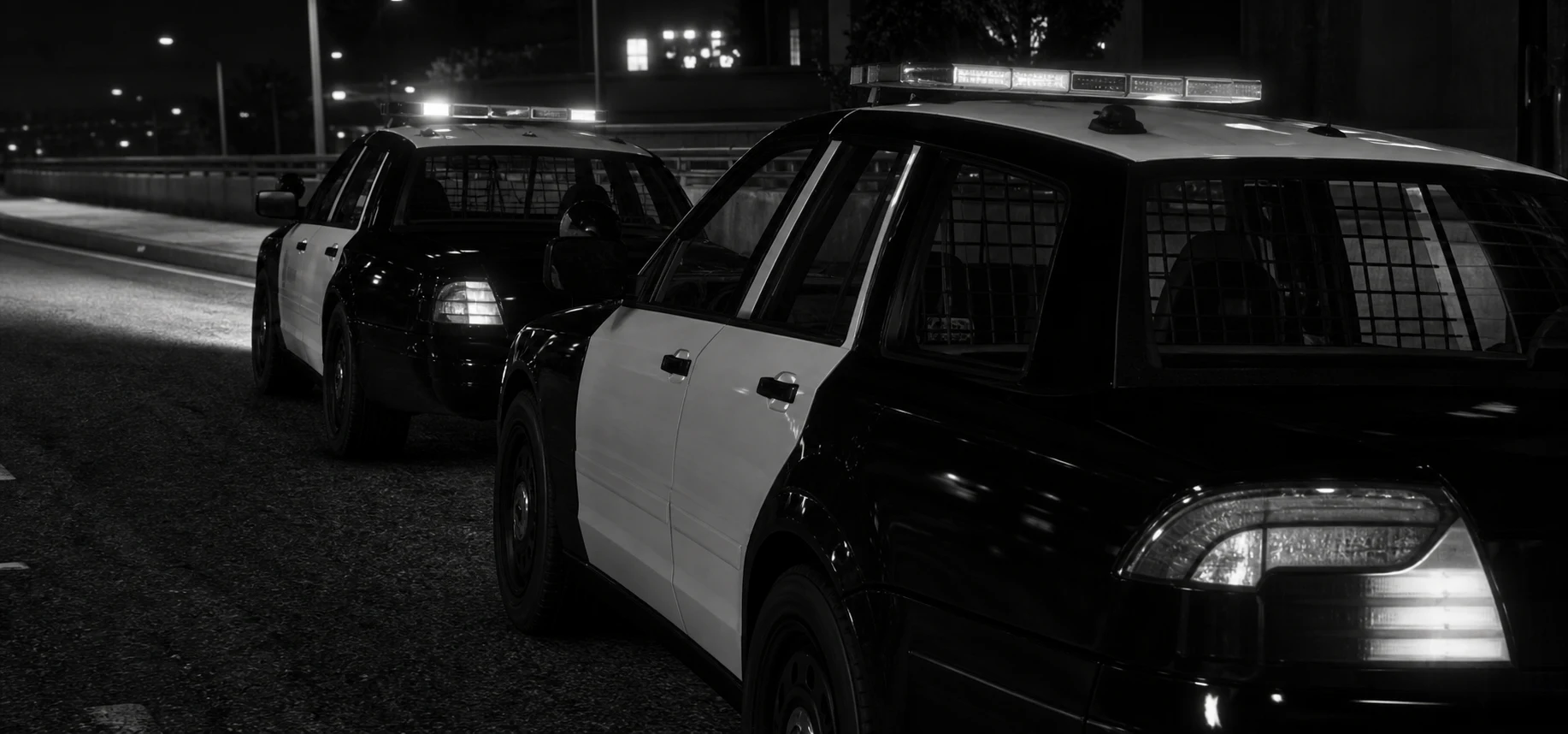
Task Force Gopher White reported 101 firearms, nine kilograms of narcotics, $712,000 in assets, ten countersurveillance devices and approximately 55 warrants. Then, after counting everything from automatic weapons to card skimmers, the Sheriff's Department disclosed that a government employee had been in direct contact with a person related to the investigation and declined to say anything else.
The operation began after narcotics detectives identified rising violence, property crime, drug complaints and seizures during July, August and early September 2025. What started as a narcotics initiative expanded into a joint task force involving major crimes, gang investigators, homicide detectives, the regional auto-theft unit and state corrections personnel.
Investigators described fragmented criminal groups with loose ties rather than one tidy organization. That distinction matters. The release does not say every listed person worked together, belonged to the same gang or knew the others. It says separate investigations overlapped, dozens of subjects were identified and arrests were timed from mid-November through late December.
The department listed allegations against Jeffrey Carr, Travis Renner, Leah Monroe, Ezequiel Herrera, Spencer Oudom, Joshua Porter, Kaemoni Monterrosa and Raymond Acevedo. It identified Walter Kaur, Manuel Villanueva and Waylon Stokes as fugitives when the record was published. Those are allegations and warrant statuses contained in the release, not findings of guilt, and the public record reviewed by Daily Rag does not establish their current dispositions.
The allegations were not interchangeable. Carr, Renner, Monroe and Porter were listed on drug-trafficking or sales counts. Herrera and Acevedo faced combinations of trafficking and aggravated or prohibited-firearm allegations. Oudom's list extended to firearm possession, ammunition, signal jamming, card skimming, drug trafficking and racketeering. Monterrosa was listed on a criminal-firearm-possession allegation. The release names two entries for Leah Monroe with different combinations of alleged offenses but does not explain whether they refer to separate arrests or a duplicated name.
The seizure map ran from Vespucci Beach, Richman Hills and Little Seoul through Davis, Strawberry, Cypress Flats and Mirror Park, then north to Stab City, Sandy Shores and Paleto Bay. That breadth is the operation's real story: the task force did not describe a single corner or crew. It described a supply and enforcement problem crossing municipal lines and investigative bureaus.
Its published inventory included at least 15 prohibited fully automatic firearms, approximately $415,000 in cash held in a bank account and roughly ten countersurveillance devices, including card skimmers. The combination suggests investigators were pursuing trafficking, financial movement and efforts to detect or frustrate surveillance, not merely serving possession warrants one house at a time.
The money requires the same precision as the guns. LSSD described approximately $712,000 in assorted assets and said $415,000 of that amount was cash from a bank account. The release does not list the remaining assets, identify a forfeiture case or state whether a court later found the property to be criminal proceeds. Seizure transfers control to the government; forfeiture is the proceeding that determines whether it keeps the property.
The department also said at least one government employee had direct contact with a subject related to the investigation. It did not identify the employee, the agency, the subject, the nature of the contact or whether the conduct was criminal, improper or innocent. It said only that the employee's agency was investigating.
Even the phrase 'subject related to this investigation' is wider than it first appears. The contact could concern a person arrested, a fugitive, an uncharged associate or someone whose name never appeared in the release. Without a date, job title or description of the communication, the disclosure cannot be tested against a public calendar, procurement record, court filing or conflict statement.
That restraint may protect an unfinished inquiry. It also leaves every public agency touched by the operation beneath the same cloud. A government contact could mean corruption, a personal relationship, routine official business or a phone number that requires explanation. The public cannot measure the risk because the department supplied no measure at all.
LSSD should publish the disposition of the listed warrants, identify which fugitive notices remain active and provide a closing statement on the employee inquiry when it can do so without compromising a case. If misconduct was found, name the agency and result. If it was not, clear the record.
Gopher White was large enough to count 101 guns across the state. The one item it refused to count was the public institution standing closest to the investigation.